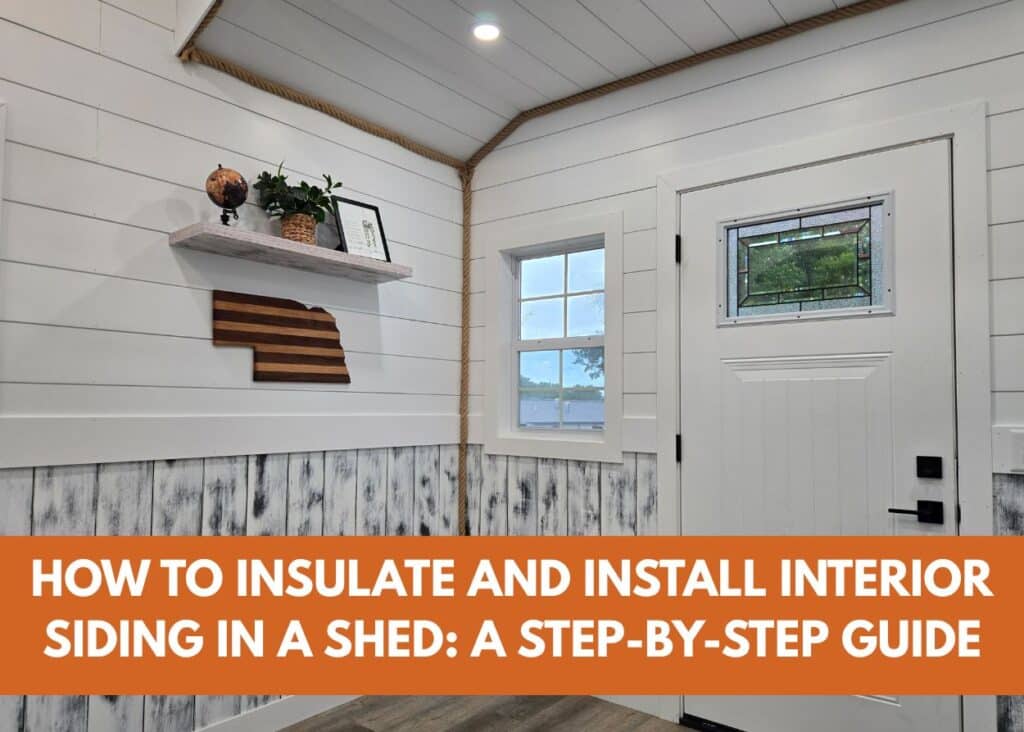
How to Insulate and Install Interior Siding in a Shed: A Step-by-Step Guide
Turning a simple shed into a climate-controlled, comfortable space is a great DIY project for homeowners and hobbyists alike. An insulated shed is the perfect base for a workshop, guest house, or a man-cave. The possibilities are endless.
At Creative Backyards, we’re here to provide you with the canvas for your next backyard project. With our partnership with Mid-America Structures, we’re here to offer you quality, built-in-the-USA sheds that are built to last.
Whether you’re looking to use your shed as a home office, a workshop, or simply as extra storage space, proper insulation and interior siding installation are crucial to ensuring it stays cozy year-round. Here’s everything you need to know about insulating and drywalling a shed.
Ready to start? Let’s go!
Table of Contents
- Why Insulating a Shed is Important
- Types of Insulation and How to Choose
- A Step-by-Step Guide to Installing Insulation in Walls and Ceilings
- How to Properly Install Interior Siding in a Shed
- Tools and materials checklist
- Common Mistakes to Avoid When Installing Shed Interior Siding
- Tips for maintaining airflow and preventing mold
- Conclusion
Don’t Have Time To Read the Article? Here’s a Summary:
- Insulating your shed improves comfort, moisture control, and year-round usability.
- Choose the right insulation type—fiberglass, foam board, or spray foam—based on budget and needs.
- Use shed-friendly siding options like shiplap, car siding, or metal instead of drywall.
- Key steps: seal gaps, install insulation, attach siding evenly, and finish with trim.
- Avoid common mistakes like poor ventilation, wrong materials, or skipping expansion gaps.
Why Insulating a Shed is Important
Before you start your shed transformation, it’s essential to understand why insulation matters:
- Temperature Control: Insulation is crucial for regulating the internal temperature of your shed. In winter, it retains heat, preventing your tools and equipment from freezing or becoming too cold. In summer, it keeps the interior cooler, reducing the need for expensive fans or air conditioning.
- Moisture Protection: A well-insulated shed acts as a barrier to moisture. Without insulation, condensation can form inside the walls, leading to the growth of rust, mold, and mildew, especially if you’re storing equipment or using the shed as a workspace. Insulation helps keep moisture at bay, preserving both the structure and anything inside.
- Comfort: Insulation also enhances comfort, particularly if you plan to spend a significant amount of time in your shed. Whether you’re using it as a workshop, she-shed, studio, or office, insulation helps ensure you’re not dealing with the extreme temperatures often found in uninsulated structures.
Types of Insulation and How to Choose
There are several insulation options available, each with its benefits. Here are three of the most popular choices:
- Fiberglass Batts: This is the most common insulation material. It comes in pre-cut pieces, making installation easy. Fiberglass batts are affordable and effective for many sheds, but they can be tricky to fit in irregular spaces and may require protective clothing due to the potential for irritation.
- Foam Board: Foam boards are rigid and offer higher insulation values per inch compared to fiberglass. They’re great for small sheds with limited wall space, as they occupy less space. Foam board is also moisture-resistant, making it ideal for sheds in humid environments.
- Spray Foam: Spray foam insulation is an excellent option for those looking to seal up every nook and cranny. As it expands, it fills all gaps, ensuring airtight insulation. It’s perfect for sheds with tricky shapes or where moisture resistance is a top priority. However, spray foam can be more expensive and typically requires more skill to apply effectively.
A Step-by-Step Guide to Installing Insulation in Walls and Ceilings
Once you’ve chosen your insulation, follow these steps to get it in place:
Step 1: Measure and Plan
- Begin by measuring the walls and ceiling of your shed to ensure you buy enough insulation. If you’re working with fiberglass batts, check the spacing of your studs to ensure they fit properly. Foam boards should be cut to match your wall dimensions.
- Consider adding a vapor barrier on the interior walls or ceiling if you live in a high-humidity area. This will provide additional moisture protection.
Step 2: Install Insulation in the Walls
- For fiberglass batts, simply press the insulation into the gaps between the studs. Make sure the batts are snug but not compressed, as compressed insulation won’t perform as well.
- If using foam board, cut it to the appropriate size and fit it between the studs. It may need adhesive to stay in place.
- For spray foam, apply a thin layer to the gaps between the studs, allowing it to expand and fill any holes. It’s best to work in small sections to avoid over-applying.
Step 3: Insulate the Ceiling
- The ceiling is a vital area to insulate, as heat rises; an uninsulated ceiling can cause significant temperature fluctuations.
- If using fiberglass batts, slide them into the rafters, ensuring they fit snugly against the rafters. For foam board, cut the pieces to size and attach them to the rafters using construction adhesive.
- Spray foam can also be used on the ceiling, applied directly to the underside of the roof.
Step 4: Seal Any Gaps
- Ensure that you seal any gaps or seams with caulking or foam sealant. This ensures your insulation works efficiently and prevents drafts from entering your home. Pay extra attention around windows, doors, and corners.
How to Properly Install Interior Siding in a Shed
Now that your insulation is in place, it’s time to think about your shed’s interior walls. Instead of drywall, consider using more durable and stylish options like shiplap, car siding, lap siding, rustic metal, or LP SmartSide. These materials offer great aesthetic appeal while providing additional protection for your shed.
Note: we do not recommend installing drywall on a shed’s interior! The main reason is that drywall tends to crack if a structure shifts. Since many sheds are built on stone pads that can adjust over time, or if you ever want to move your shed, these can cause cracks and other damage to the drywall.
Step 1: Choose Your Interior Siding
Each of these materials has its own unique qualities, and choosing the right one will depend on your style preferences and the intended use of your shed:
- Shiplap: Shiplap gives your shed a rustic, farmhouse-style look. The boards interlock for easy installation and provide a clean, smooth finish.
- Car Siding: This tongue-and-groove wood paneling creates a seamless, polished look with the added benefit of providing extra strength and durability.
- Lap Siding: Typically made from wood or vinyl, lap siding creates a traditional look and is easy to maintain. It’s an excellent option for achieving a classic shed appearance.
- Rustic Metal: For an industrial or modern style, rustic metal provides a rugged and durable option. It’s weather-resistant and gives your shed a sleek, contemporary look.
- LP SmartSide: LP SmartSide is a premium engineered wood product designed to resist impact, moisture, and termites. It’s an excellent choice for interior siding in sheds as it combines durability with a stylish appearance.
Step 2: Measure and Cut Your Siding
Once you’ve chosen your siding material, measure the walls and ceiling of your shed to determine how much material you need. If you’re using wood paneling like shiplap or car siding, make sure to account for any gaps between boards.
For LP SmartSide or lap siding, you’ll typically work with 4×8 sheets, so calculate how many sheets will fit the dimensions of your shed. Be sure to allow for cutting and fitting around windows, doors, and outlets.
Step 3: Install the Siding
- For Shiplap: Begin by attaching the first row of shiplap at the bottom of the wall. Ensure that each subsequent row overlaps slightly with the one below it for a seamless appearance. Use nails or screws to secure the boards to the studs.
- For Car Siding: Start by securing the first panel along the bottom edge of the wall. The tongue-and-groove design makes it easy to slot the panels together. Continue installing the boards up the wall, ensuring they are level as you go.
- For Lap Siding: Install the first row of lap siding along the bottom of the wall, ensuring that the boards are tightly butted together. Continue installing the boards, ensuring they overlap slightly for a weather-tight seal.
- For Rustic Metal: Attach the metal sheets to the studs using screws designed explicitly for metal-to-wood installation. This material is usually secured tightly to minimize gaps.
- For LP SmartSide: Use a level to ensure that your first sheet of LP SmartSide is straight. Attach the panels to the studs with screws, starting at the bottom and working your way up the wall. Leave a small gap at the bottom of the wall to prevent moisture from wicking up into the material.
Step 4: Finish the Siding
After all the panels are in place, check for any gaps and fill them in with caulking or trim if necessary. This will provide a neat finish and help with moisture resistance.
For wood-based siding like shiplap, car siding, and lap siding, you may want to apply a protective stain or sealer to enhance the finish and protect the wood. Rustic metal doesn’t require much maintenance but can benefit from a clear coat to prevent rusting over time. LP SmartSide often comes pre-finished with a protective coating, but adding a fresh coat of paint can help ensure longevity.
Tools and Materials Checklist
Here’s a checklist of the tools and materials you’ll need for your interior siding installation:
Siding Materials:
- Shiplap, car siding, lap siding, rustic metal, or LP SmartSide panels
- Nails, screws, or specialized fasteners (depending on the material)
- Trim (if needed for finishing)
Tools:
- Drill and screwdriver
- Measuring tape
- Saw (circular or table saw) for cutting the siding to size
- Level
- Hammer or nail gun (depending on siding type)
- Caulk and caulk gun (for sealing gaps)
- Protective gloves and safety goggles (especially if you’re handling fiberglass)
Common Mistakes to Avoid When Installing Shed Interior Siding
Installing interior siding in a shed can be an easy process if done correctly, but these common mistakes should be avoided:
- Incorrect Material Choice: Not all siding materials are suitable for every shed. For instance, rustic metal may not be ideal for a shed you want to use as a cozy space, but it could be perfect for a workshop. Choose a material that aligns with your intended purpose and style.
- Not Accounting for Gaps: When installing wood siding, always leave a small gap between the boards to account for expansion and contraction with humidity changes.
- Not Securing the Siding Properly: Ensure that each board or panel is securely fastened to the studs to prevent it from loosening over time. Check that your installation is level as you go to avoid any crooked lines.
Tips for Maintaining Airflow and Preventing Mold
Proper ventilation is crucial in preventing mold growth and ensuring good airflow. Here are a few tips:
- Add Ventilation: Install vents at the top and bottom of the shed to allow air to circulate and prevent moisture buildup. This is especially important if you’re using your shed as a living or work space.
- Use a Dehumidifier: Consider using a dehumidifier in your shed, especially in high-humidity areas, to keep the air dry and reduce the risk of mold.
- Regularly Check for Leaks: Inspect your shed for leaks or signs of moisture buildup, especially after heavy rains. Seal any cracks or gaps promptly to prevent long-term damage.
By following these steps, you can transform your basic shed into a climate-controlled, comfortable space for work or leisure. Whether you’re insulating, drywalling, or simply adding a bit of finishing touch, proper materials and installation make all the difference.
Conclusion
Insulating and installing interior siding in a shed can be a fulfilling and budget-friendly way to transform it into a space that you can truly enjoy.
At Creative Backyards, we make it easier to buy a quality shed by offering quality cabin shells through our partnership with Mid-America Structures. With delivery options throughout Eastern and Central Nebraska, Western Iowa, Northwest Missouri, and Northeast Kansas, we’re here to help you take the first step toward simpler living.
Ready to get started? Contact us, visit our website or sales lots to explore cabin shell options, learn more about our services, and connect with our team. Your next project is just a phone call away!
Other Posts
Do You Need a Permit for a Prefab Garage in Nebraska? An Authoritative Guide by Creative Backyards

Grain Bin Gazebos: An Attractive And Cost-effective Outdoor Addition